“And God said…”
The word of God caused all Creation! Genesis 1:3
“In the beginning was the Word, and the Word was with God, and the Word was God.” — John 1:1
God’s word is vital! It is as vital for life today as it was for the creation of the universe and all that fills the universe.
Several years ago, two friends, Roger Brewer and Richard Willowby, were discussing the loss of community among Christians. We wondered what we might do about it. We brought together a group of Christians from across the country to discuss what and how to tackle this situation. We also considered how to fund such an endeavor. This website, Vital Words, is the result.
Our intention is to create a place for followers of Jesus to be together. The night before he died to purchase our salvation, Jesus prayed that we all might be one as he and the Father are one. He said, if he’d be lifted up, he would draw all persons to himself. He said that we would be known as disciples by our love for each other.
In the intervening 2000 years, we have split ourselves up into some 50,000 different sects and denominations. It appears that we might need a new paradigm for Christian unity.
We don’t pretend that we know how to make this happen, but we believe it to be God’s will to try, and that God will show us all how to get to where he wants us.
This Vital Words website is a growing endeavor to make a place for Christians to get to know one another. Think of it as the lobby of a large hotel where one enters and finds many different floors and many different rooms. Or as the entrance to a large department store, such as Macy’s, where you find the directions to one of the many departments.
Come in, look around. Make your own contribution. Let others contribute to your life. Our belief is that when we know one another, we will have more patience with each other and will be less likely to break fellowship. That is our hope.
There are rules of engagement, and as long as those rules are followed, everyone is welcome, no matter what their denomination might be. So, whatever your church, faith, politics, economic status, vocation, age, nationality, culture, or race—you are welcome here.
Vital Words is a 501(c)(3) nonprofit Christian ministry encouraging faith, Christian unity, discipleship, missions, and thoughtful Christian conversation
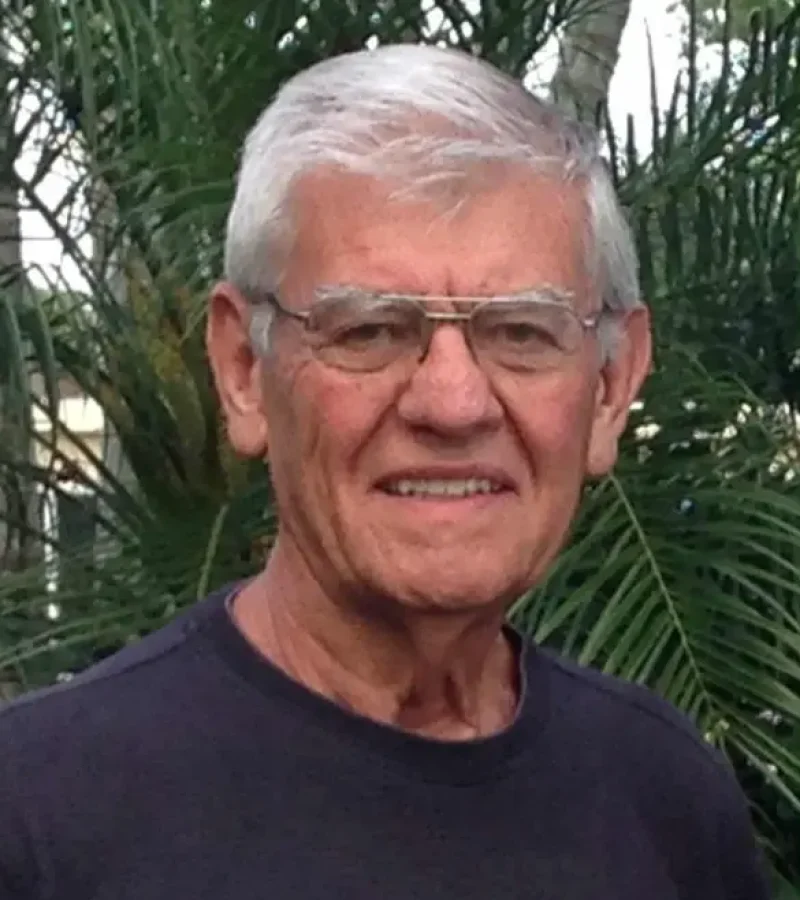
CEO
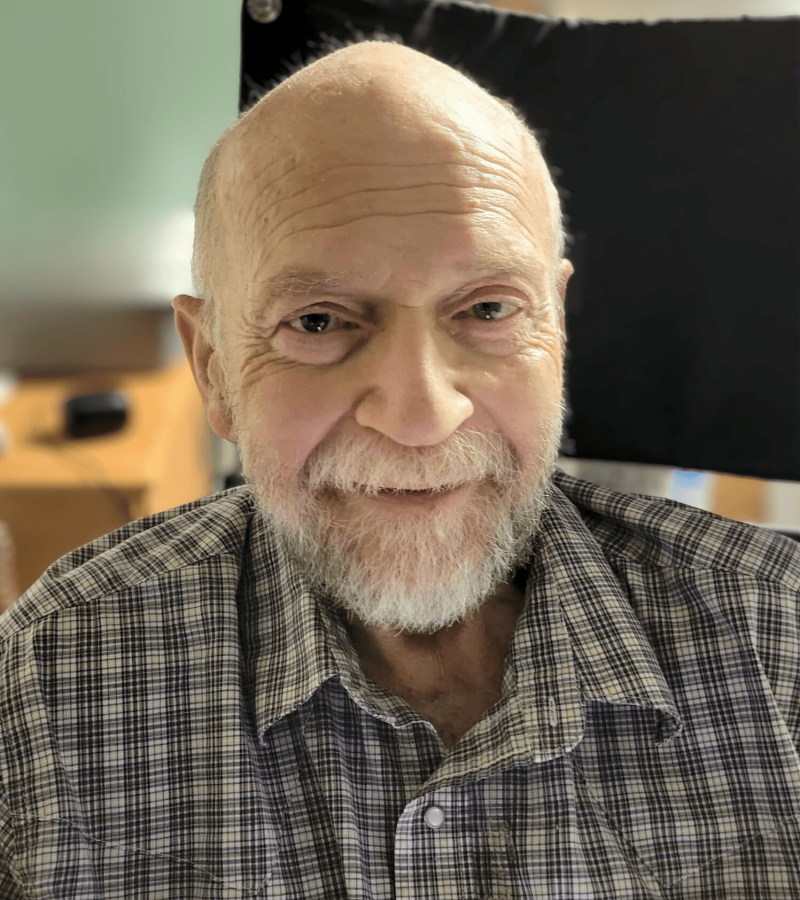
Deceased
Board
Board
Secretary
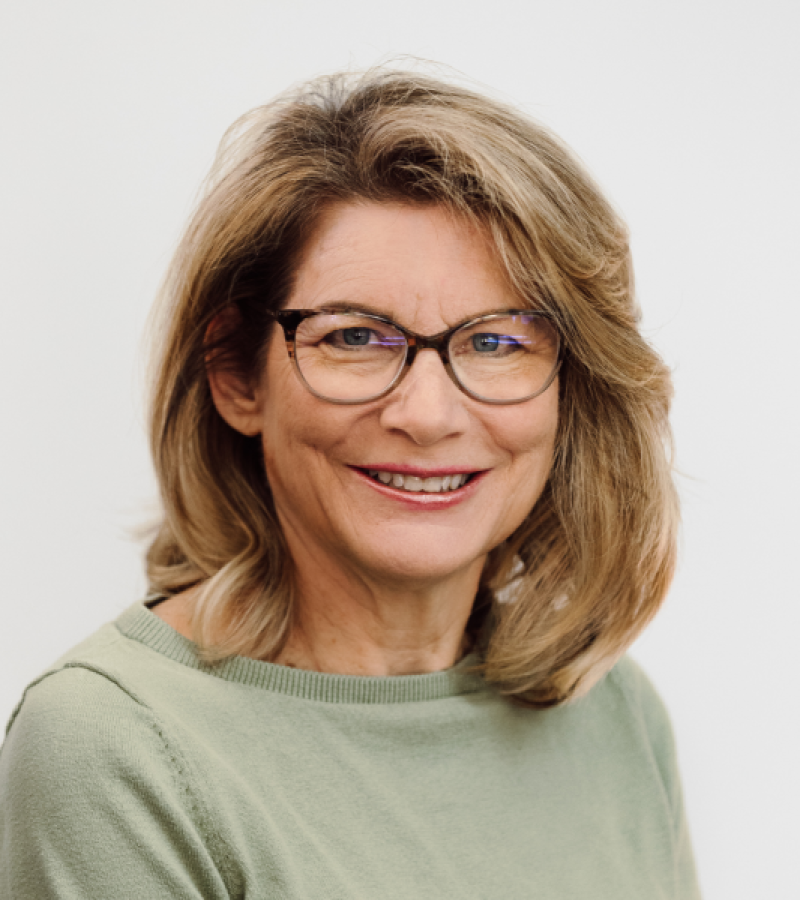
Treasurer
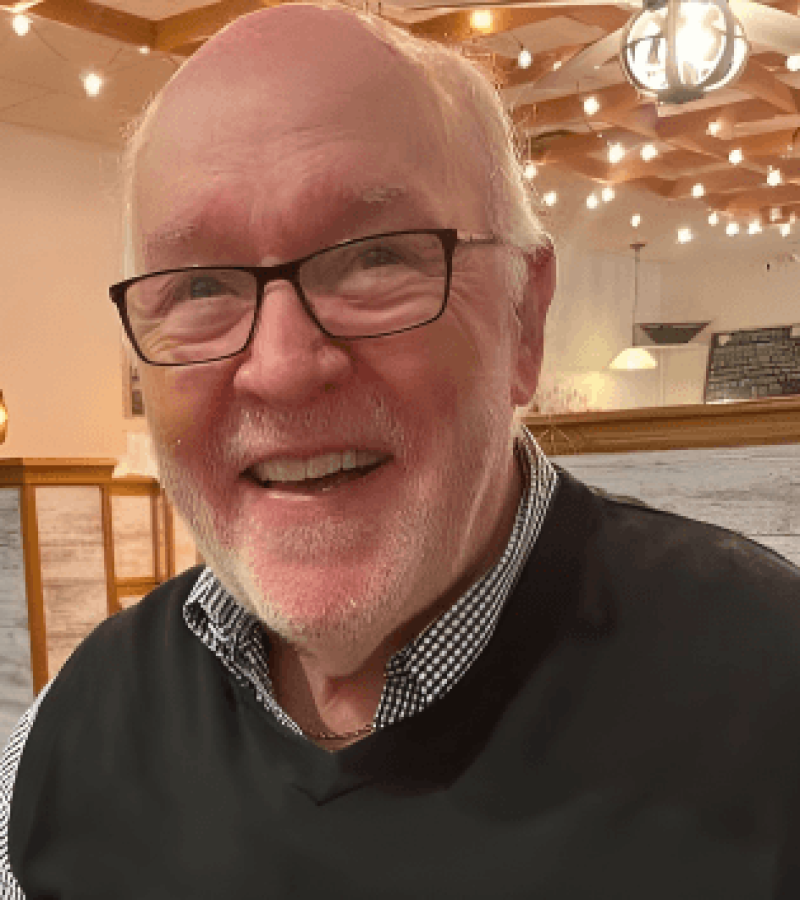
Board
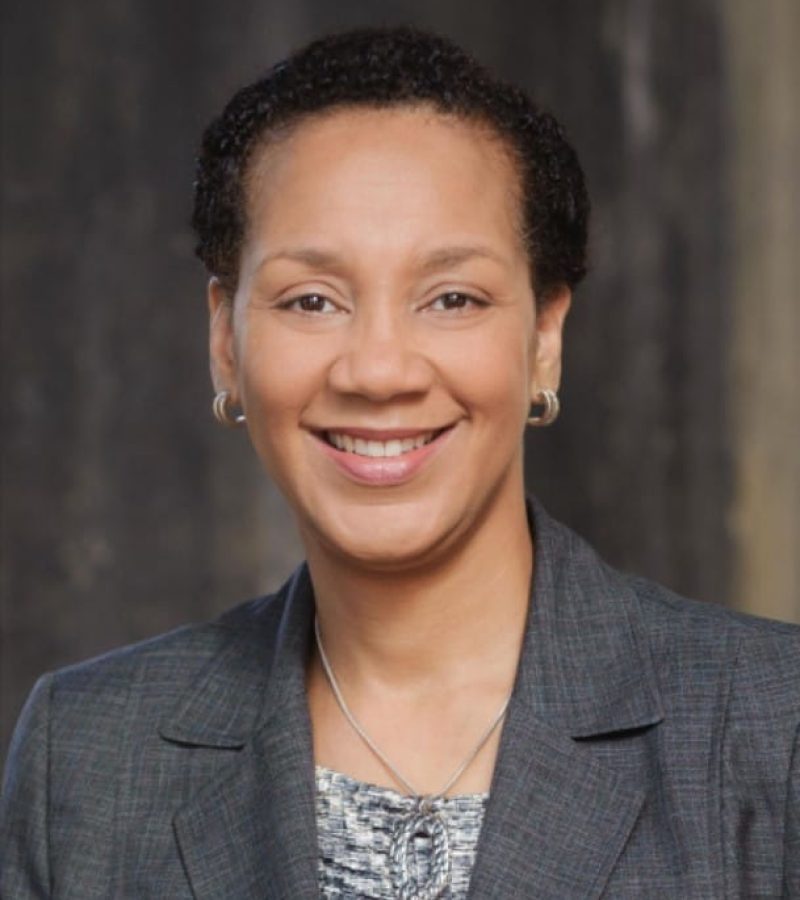
Interim Secretary
Vital Words is a 501(c)(3) nonprofit Christian ministry dedicated to encouraging faith, Christian unity, discipleship, missions, and thoughtful conversation across the Church.
Through articles, historical resources, ministry updates, and community discussion, we seek to strengthen believers and provide a welcoming place to engage with Scripture, theology, Christian history, and practical Christian living.
Donations to Vital Words help support this ongoing ministry and are tax-deductible to the extent permitted by law.
EIN: 99-3486532
Vital Words is rooted in the Church of God tradition and seeks to help readers stay informed about matters affecting the wider Church of God movement.
Church of God Ministries has presented proposed Constitution and Bylaws intended to clarify the responsibilities of the General Assembly, the Board of Directors, and the General Director; strengthen accountability; and support healthy, mission-focused ministry.
The executive summary below is reproduced from the Church of God Ministries Structure & Polity Task Force. These documents are proposals being presented to the General Assembly for ratification and should not be understood as adopted governance unless and until they are approved.
The current governing documents often blur the lines between oversight and operational leadership, creating uncertainty about authority and responsibility. The proposed bylaws establish clear organizational roles:
Its responsibilities include:
These responsibilities preserve the Assembly’s voice in the movement’s most important matters while allowing operational leadership to function effectively between Assembly meetings.
Rather than dispersing executive authority among multiple governing bodies, the General Director is entrusted with full responsibility over staff, ministries, and organizational operations.
This authority is balanced by meaningful accountability:
This model creates both decisive leadership and healthy accountability.
Instead of becoming involved in daily operational decisions, the Board focuses on:
Our research found that this model reflects best practices used by many healthy nonprofit and ministry organizations similar in size and function of Church of God Ministries.
These ministry outcomes describe why Church of God Ministries exists and what it seeks to accomplish in areas such as:
The Structure and Polity Team worked hard at keeping the structure centered on our mission as the Church of God Movement.
Who is responsible for what? This has been very frustrating in the past for Church of God Ministries, Committees, Ministries Council, and staff.
By clearly assigning authority:
Because responsibilities are clearly defined, the General Director can be evaluated fairly and receive feedback appropriately based on these objectives.
This can create an unhealthy tension which takes us away from the mission of the movement.
The proposed bylaws simplify decision-making while preserving important checks and balances.
This allows Church of God Ministries to:
The goal was not simply to make decisions faster, but to make better decisions with greater clarity and responsibility.
No. They seek to ensure that responsibilities do not consume the energy that should be devoted to ministry. Much like the local church, we don’t want people tied down to committees, bylaws, and meetings while sidelining ministry.
We asked ourselves, “can we create a structure that will allow ministry leaders to lead? Can a structure free pastors, churches, regional leaders, missionaries, and volunteers to invest more fully in disciple-making, church health, multiplication, and mission?”
We want our structure to support the ministry, not replace it.
They are an effort to create a structure that reflects biblical stewardship, organizational clarity, and a shared commitment to the mission of Jesus Christ lived out through Church of God Ministries.
The proposed bylaws seek to preserve what is essential—the theological authority of the General Assembly and the identity of the Church of God—while strengthening the organization’s ability to lead faithfully in a rapidly changing ministry landscape.
At the heart of each member of the Structure and Polity Team was to create a healthier movement: one where authority is clearly defined, accountability is strengthened, leadership is empowered to serve effectively, and the entire Church of God Movement is better positioned to join Jesus in His mission of making disciples and advancing the Kingdom of God. We humbly submit the Constitution and Bylaws to the General Assembly of the Church of God. Thank you for the opportunity to serve in this capacity.